Guilty Train
Board Game - Mexican Revolution

Asymmetrical Gameplay Inspired by the Famine During the Mexican Revolution of 1910

Overview

The Mexican Revolution was not only about street battles—far from it. What weapon could be more devastating than the lack of food? The Mexican people experienced this harsh reality, and this game aims to reflect it. There is no need for an overly dramatic tone to convey the horror of starvation.

Guilty Train embraces a sharp, effective sense of sarcasm, enhanced by biting lines and a distinctive art direction.

Two Sides

Playable with 2 to 4 players, the game features two opposing sides with distinct gameplay:

- Attackers: Their goal is to loot all hidden food rations without dying.

- Defenders: Their objective is to protect the rations from the invading attackers until all opponents are eliminated.

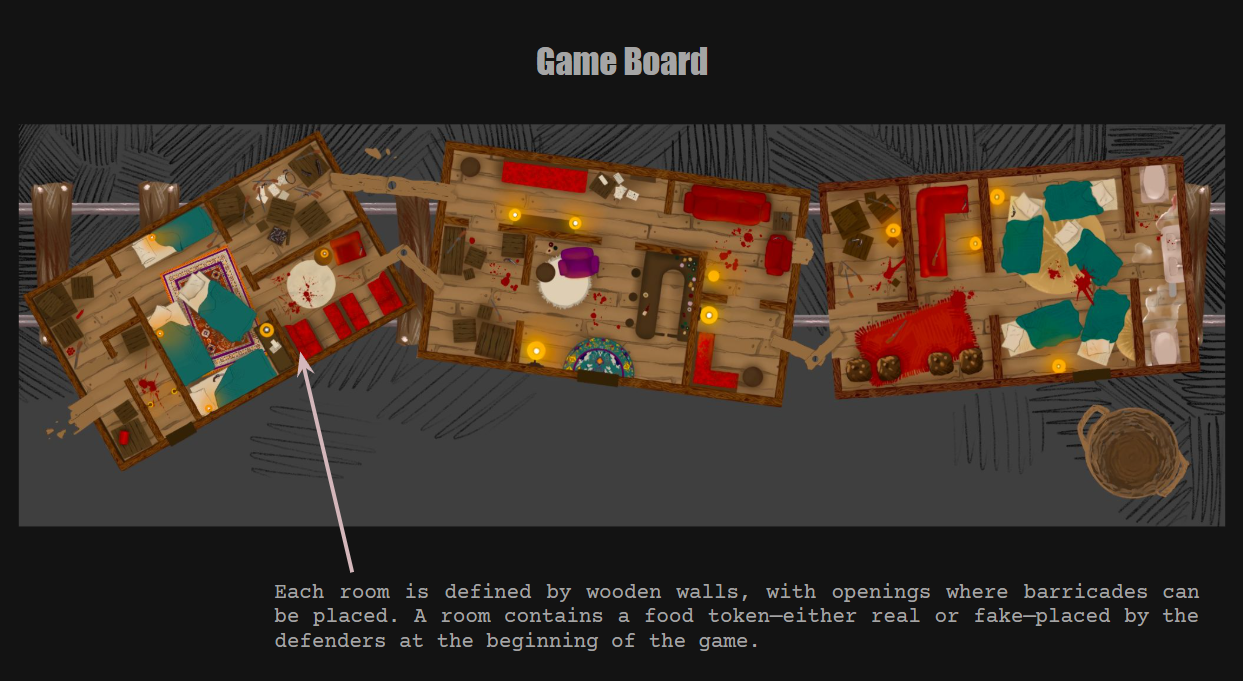
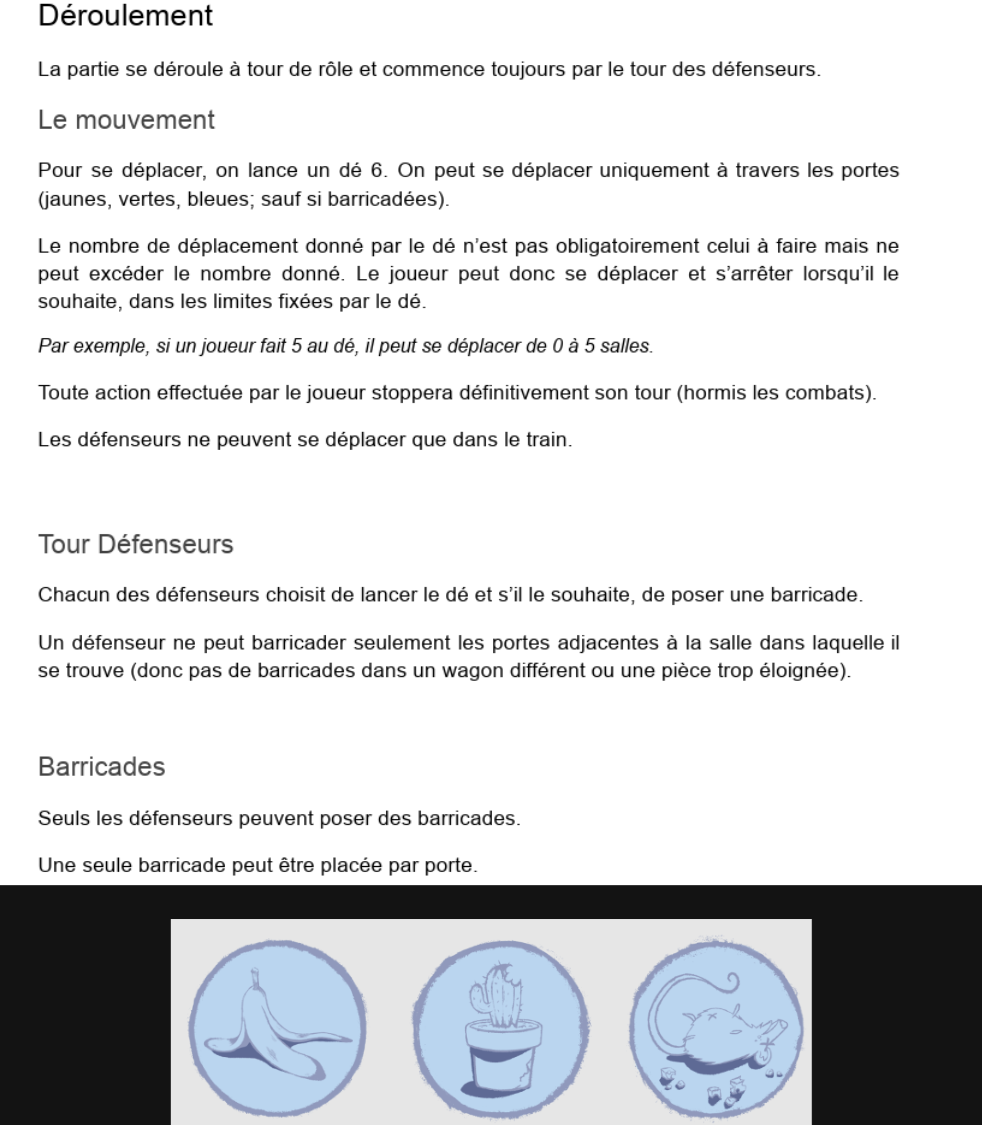
Defenders can place barricades, while attackers can use bombs to force their way into the train!
Board

Production

Technical details

Year and production time

  • 2023 - 1 month

Team size

  • 4 people
  • 5 artists

My role in this project

  • Game Designer
  • Narrative Designer

This game was created as part of a group project focused on designing a board game during my first year of Game Design studies at Brassart Toulouse..

Challenges

  • Designing a board game as a team
  • Drawing inspiration from the Mexican Revolution (1910) as a historical context
  • Collaborating with Art students to integrate their visual direction into the game

My Contribution

  • Co-designed the gameplay, particularly the barricade system for defenders to ensure their role was as engaging as the attackers’
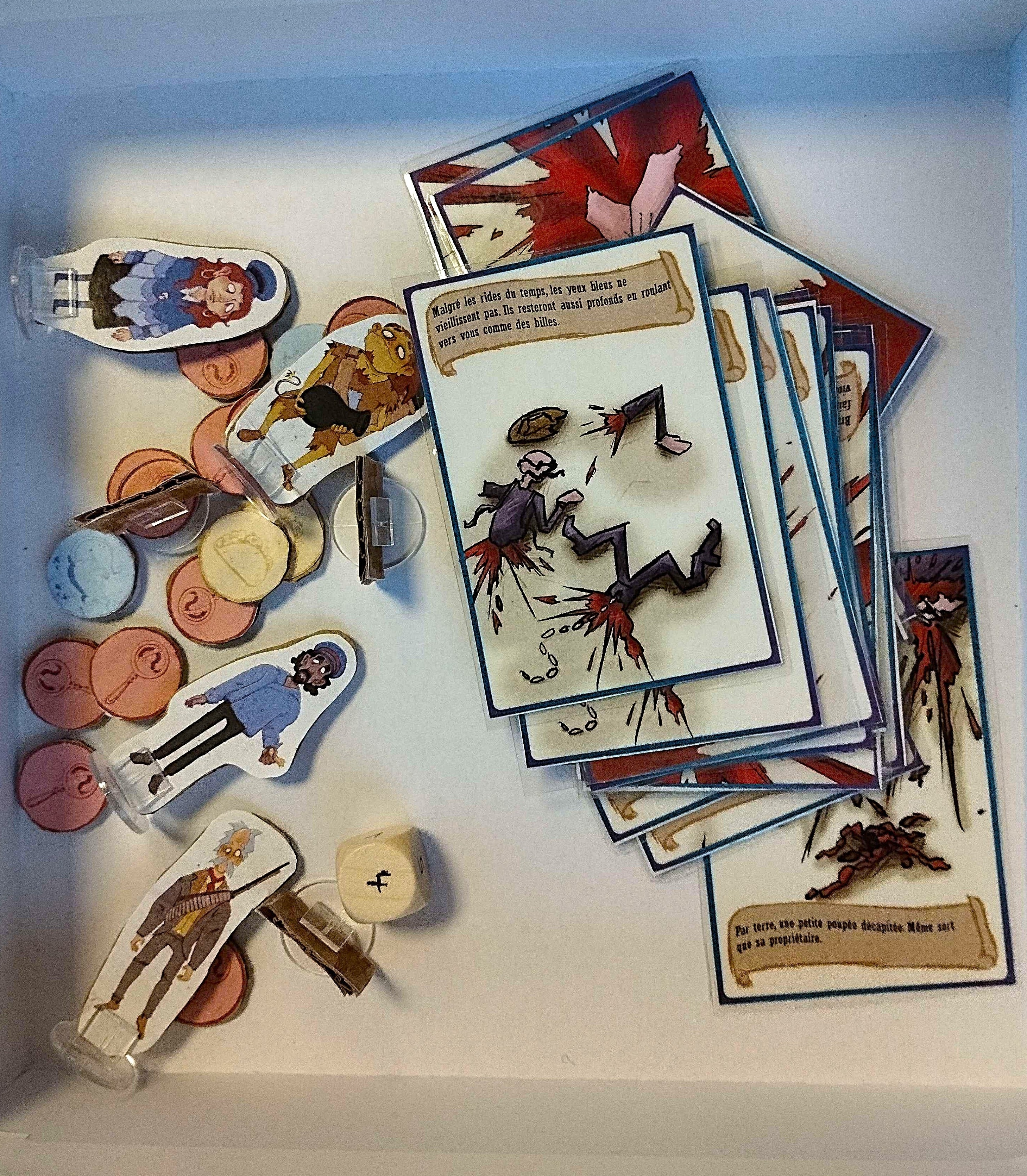
  • Contributed to writing the cards, helping shape the game’s sarcastic tone
  • Organized and conducted playtests to improve balance and rule clarity
  • Assisted in printing the cards and tokens

Design Intentions

  • Exploring a lesser-known aspect of the Mexican Revolution: famine and the looting of supply trains
  • Creating a contrast between the historical theme and a sarcastic tone to address the question: “How far would you go to survive?”
  • Using cards as both a narrative and humorous device
  • Designing an asymmetrical experience where attackers and defenders have different yet balanced strategies